

Wuxi Kcon Optoelectronics Technology Co.,Ltd.
BLOG
Framework Correction Technology Improves Structural Stability and Industrial Efficiency
Release Time:
12 Mar,2026
In modern engineering and industrial manufacturing, maintaining the stability and accuracy of structural systems is essential for long-term operational performance.
In modern engineering and industrial manufacturing, maintaining the stability and accuracy of structural systems is essential for long-term operational performance. Framework correction has become an important technical process used across multiple industries to ensure that structural frameworks remain aligned, stable, and capable of supporting complex mechanical and architectural systems.
Framework correction refers to the process of identifying deviations or misalignments within a structural framework and implementing corrective measures to restore the original design specifications. Over time, frameworks in buildings, machines, and industrial equipment may experience slight deformation due to continuous operation, environmental changes, vibration, or heavy loads. Without proper correction, these structural deviations may lead to reduced efficiency, safety risks, or equipment malfunction.
Recent developments in measurement technology have significantly improved the effectiveness of framework correction. Engineers now use advanced tools such as laser alignment systems, digital sensors, and 3D scanning equipment to detect structural deviations with extremely high precision. These technologies allow technicians to analyze framework conditions in real time and identify areas that require adjustment or reinforcement.
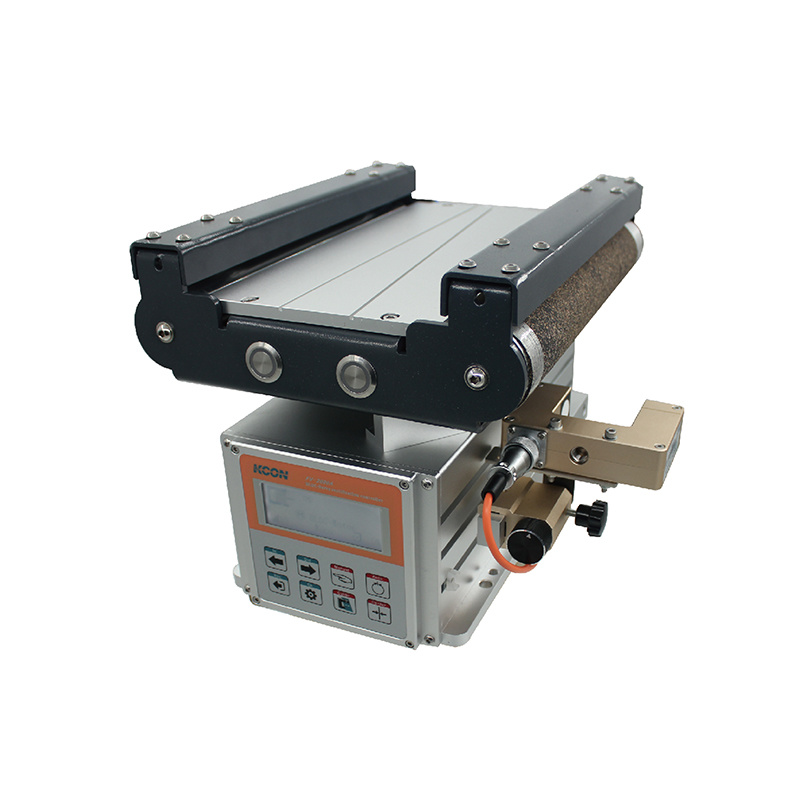
Framework correction plays a particularly important role in industrial manufacturing environments. Production lines, heavy machinery, and automated equipment rely on stable and well-aligned frameworks to maintain consistent performance. Even minor structural misalignment can lead to increased vibration, mechanical wear, and reduced product quality. Through systematic framework correction procedures, maintenance teams can ensure that equipment operates smoothly and efficiently.
The construction sector also benefits greatly from framework correction technology. Steel structures, large building frameworks, and infrastructure projects must maintain precise alignment in order to guarantee safety and durability. If structural shifts occur during or after construction, engineers can apply framework correction techniques to adjust key support points and restore balance within the structure.
In addition to traditional industries, framework correction is increasingly used in infrastructure maintenance projects. Bridges, transportation systems, and energy facilities often experience structural stress caused by temperature changes, traffic loads, and environmental factors. Regular inspection combined with timely framework correction helps extend the service life of these critical structures while maintaining public safety.
Another advantage of framework correction is cost efficiency. Instead of replacing entire systems or rebuilding structures, targeted correction methods allow engineers to solve alignment problems with minimal disruption. This approach reduces maintenance costs while preserving the original framework design.
As industrial technology continues to evolve, the demand for accurate structural maintenance solutions will continue to grow. Framework correction has proven to be a reliable and practical method for maintaining structural integrity, improving operational efficiency, and supporting the long-term stability of complex engineering systems.
With ongoing technological innovation and improved monitoring tools, framework correction is expected to play an even greater role in the future of industrial maintenance and infrastructure management worldwide.
More Information

Contact Number:
Email:
WhatsApp:
Company Address:
No. 9 Plant, 101 Xinjin Road, Xiwu District, Wuxi, Jiangsu Province, China